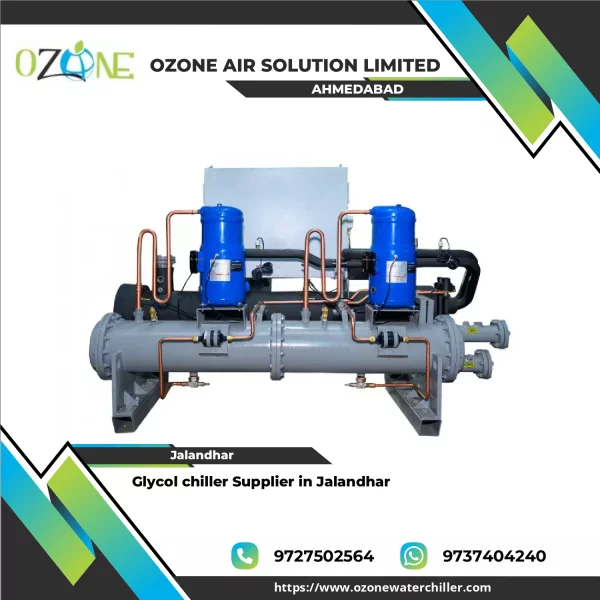
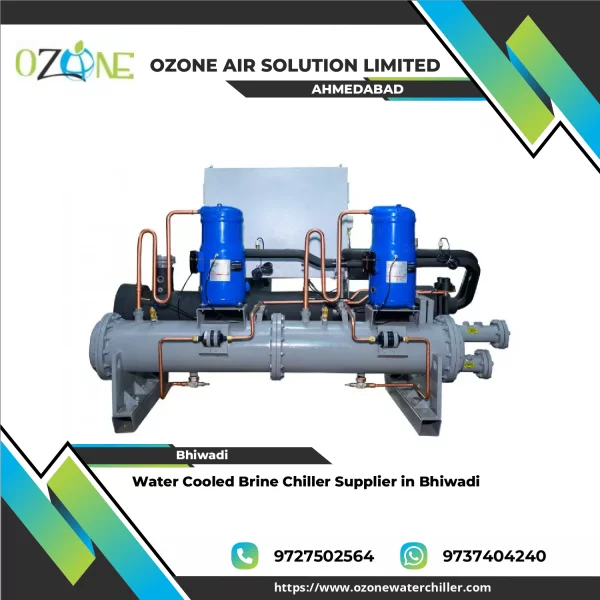
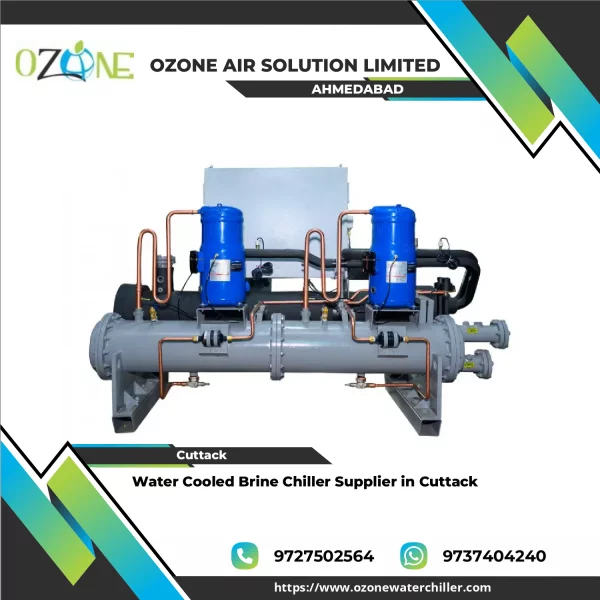
Glycol Chiller Manufacturer In Rourkela
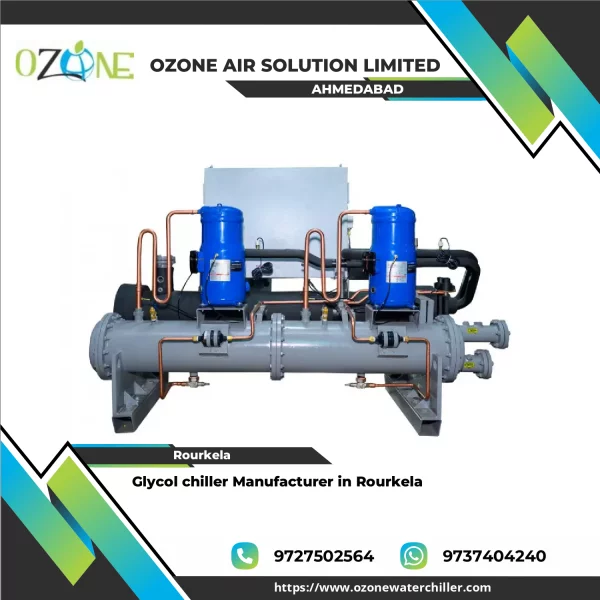
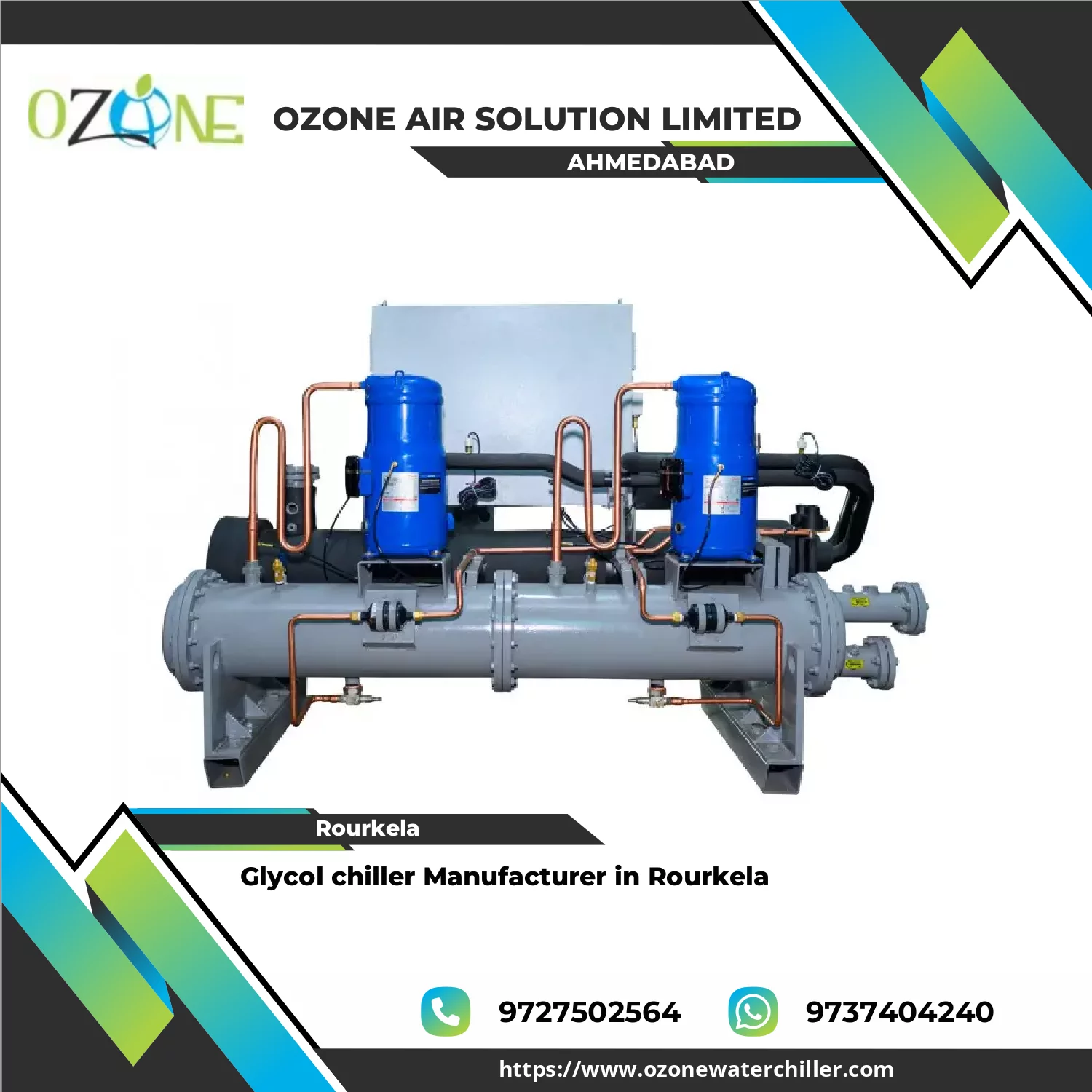
Details of Industrial Water Cooled Chiller
Step up your process cooling with efficient glycol chillers in Rourkela that lower running costs and boost performance. Cooling needs vary but having a reliable glycol chiller means less downtime and stable temperature control for your operations. These chillers handle low temperatures well, making them a good fit for chemical plants or food processing units where precision matters.
Knowing the right size and capacity helps avoid overspending on equipment or facing shortfalls during peak loads. Predicting demand includes looking at heat load changes through the day, seasonal shifts, and production schedules to pick a system that stays effective year-round.
Selecting Suitable Glycol Chillers
| Aspect | Description |
|---|---|
| Cooling Capacity | Match to expected heat load fluctuations to maintain steady output. |
| Temperature Range | Choose units that can reach required low temps without strain. |
| Refrigerant Type | Use refrigerants compliant with local regulations and suited for efficiency. |
| Energy Use | Select designs focusing on energy savings for lower operational bills. |
This checklist helps prevent common pitfalls like undersizing or using incompatible coolants that reduce chiller life span (especially in demanding industrial settings).
The build quality impacts reliability. Systems made from corrosion-resistant materials last longer in harsh conditions typical of Rourkela’s industrial environments. Regular maintenance matters too but starting with robust design cuts repair frequency significantly.
Trouble is often caused by ignoring installation factors such as ambient temperature, ventilation, and space constraints. Proper site assessment before setup avoids these problems — ensuring smooth operation from day one.
Caring For Your System Over Time
| Maintenance Step | Description |
|---|---|
| Routine Checks | Monitor pressures, coolant levels, and look out for leaks regularly. |
| Cleansing Coils | Avoid dust buildup which reduces efficiency by lowering airflow. | Component Replacement < td > Swap worn parts early to keep the whole unit running properly . < tr >< td > System Calibration < td > Adjust controls periodically based on changing workload . < p >Following these steps keeps glycol chillers working reliably even under continuous use , saving money over time . Good planning upfront combined with steady care makes sense when investing in process cooling solutions . ( Like those needed at chemical processing sites near NH 23 ) .< / p >< p >Our expertise lies in designing chillers tailored to tough environments needing precise control between plus fifty degrees Celsius down to minus fifty-five degrees Celsius . We work with multiple refrigerants , including options like R-134a or ammonia depending on customer needs , keeping flexibility while meeting rules about environmental impact . Every machine is tested rigorously before shipment so clients get solid value straight away without hassle from faulty parts or improper assembly .< / p >< p >Reach out now if you want dependable glycol chillers delivered swiftly , backed by hands-on support throughout installation , commissioning , and beyond . Operating in areas around Rourkela means we understand local challenges well enough not just to sell equipment but stand by it through its full life cycle because nothing beats working machines in harsh settings where downtime costs mount fast .< / p>